
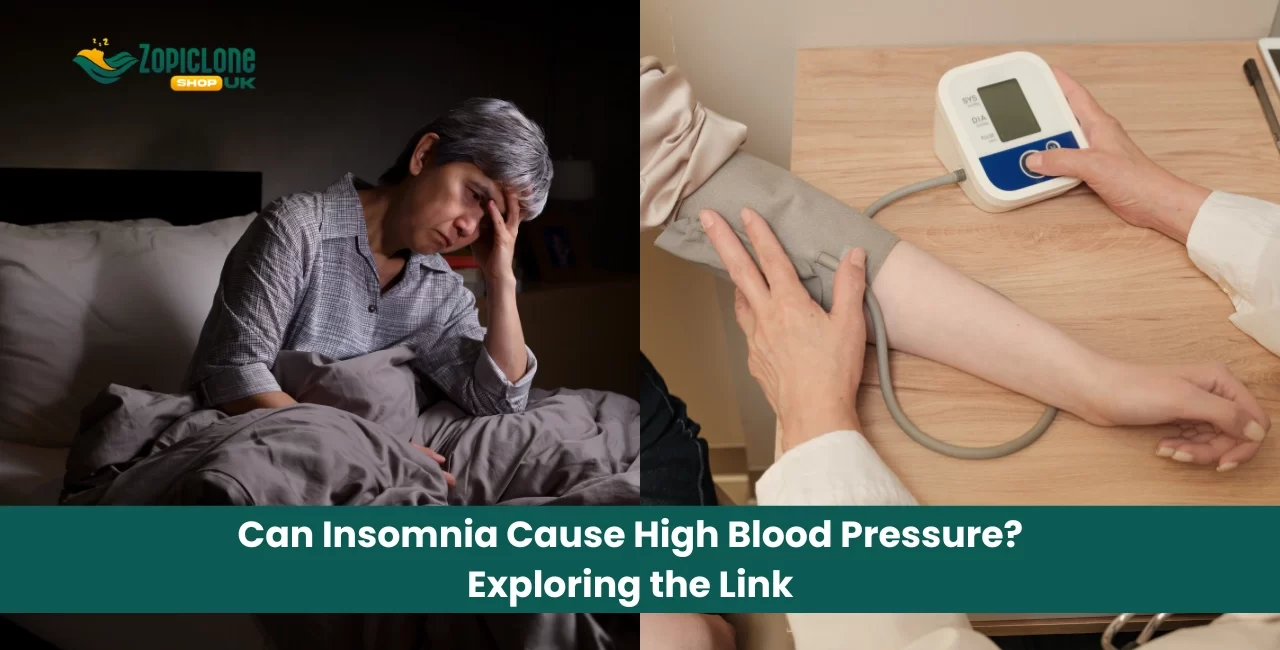
We often think of high blood pressure as a result of diet, exercise, or genetics. But what if one of the biggest contributing factors happens while you’re supposed to be resting? The connection between sleep and overall health is undeniable, yet millions struggle with insomnia every night. This leads to a critical question: Can insomnia cause high blood pressure? The answer is more complex and significant than you might think.
This article will explore the deep relationship between sleepless nights and your cardiovascular system. We will look into the science behind the insomnia-hypertension link, understand the risks of prolonged sleep deprivation, and provide practical strategies to help you manage both conditions. Prioritizing your sleep could be one of the most effective steps you take for your heart health.
Contents
- 1 The Sleepless Night: Understanding Insomnia
- 2 What is High Blood Pressure (Hypertension)?
- 3 The Critical Link: Insomnia and High Blood Pressure
- 4 How Lack of Sleep Drives Up Blood Pressure
- 5 Who is Most at Risk?
- 6 Breaking the Cycle: Managing Insomnia and High Blood Pressure
- 7 The Verdict: Your Health Depends on Your Sleep
The Sleepless Night: Understanding Insomnia
Before we explore the connection between insomnia and high blood pressure, it’s important to understand what insomnia truly is. It’s more than just a single bad night’s sleep before a big event. Insomnia is a common sleep disorder characterized by persistent difficulty falling asleep, staying asleep, or achieving high-quality, restorative sleep, despite having the opportunity to do so.
There are two primary types of insomnia:
- Acute Insomnia: This is short-term, often lasting from a few days to a few weeks. It’s usually triggered by a specific event, such as stress at work, a traumatic experience, or a change in your environment.
- Chronic Insomnia: This is long-term, occurring at least three nights a week for three months or longer. Chronic insomnia can be a primary condition or may be linked to other medical issues, medications, or mental health disorders.
People with insomnia often experience daytime fatigue, irritability, difficulty concentrating, and a general decline in their quality of life. While these immediate effects are frustrating, the long-term consequences of a lack of sleep, particularly on blood pressure, are a growing concern for medical professionals.
What is High Blood Pressure (Hypertension)?

High blood pressure, or hypertension, is a condition where the force of blood against your artery walls is consistently too high. Over time, this increased pressure can damage your arteries and lead to serious health problems, including heart disease, stroke, and kidney failure.
Blood pressure is measured with two numbers:
- Systolic pressure (the top number): Measures the pressure in your arteries when your heart beats.
- Diastolic pressure (the bottom number): Measures the pressure in your arteries when your heart rests between beats.
A normal blood pressure reading is typically less than 120/80 mmHg. Hypertension is diagnosed when readings are consistently 130/80 mmHg or higher. Because it often has no obvious symptoms, high blood pressure is frequently called the “silent killer.” Many people are unaware they have it until a serious cardiovascular event occurs. This makes regular monitoring and understanding potential risk factors—like insomnia—incredibly important.
The Critical Link: Insomnia and High Blood Pressure
So, does insomnia increase blood pressure? A growing body of scientific evidence says yes. The relationship is complex, but consistent findings show that poor sleep contributes to elevated blood pressure levels. When you don’t get enough quality sleep, your body misses a crucial period of rest and recovery, which has a direct impact on your cardiovascular system.
During a normal night’s sleep, your blood pressure naturally dips by about 10-20%. This nocturnal dipping is vital for heart health, as it gives your cardiovascular system a much-needed break. For individuals with insomnia, this dip is often reduced or completely absent. Instead of resting, their bodies remain in a state of heightened alert. This sustained elevation in blood pressure throughout the night can lead to higher average blood pressure during the day, establishing a direct insomnia and hypertension.
Research studies have consistently highlighted this connection. A study published in the journal Hypertension found that individuals with chronic insomnia had a significantly higher risk of developing high blood pressure compared to those who slept well. The effects of sleep deprivation on high blood pressure are not just temporary; over time, the chronic stress placed on the vascular system can lead to sustained hypertension.
Also Read: Why Trust Matters When Choosing an Online Pharmacy
How Lack of Sleep Drives Up Blood Pressure
To fully answer the question “Can insomnia cause high blood pressure?” we need to look at the physiological mechanisms at play. A lack of sleep disrupts several biological processes, each contributing to an increase in blood pressure.
1. The Sympathetic Nervous System Overdrive
Your autonomic nervous system has two main branches: the sympathetic nervous system (“fight or flight”) and the parasympathetic nervous system (“rest and digest”). Sleep is dominated by the parasympathetic system, allowing your heart rate and blood pressure to decrease.
Sleep deprivation and insomnia disrupt this balance. They keep your sympathetic nervous system in a state of over-activation. This means your body is constantly producing higher levels of stress hormones like cortisol and adrenaline. These hormones signal your heart to beat faster and your blood vessels to constrict, both of which directly increase blood pressure. A chronic lack of sleep means your “fight or flight” response is always on, putting continuous strain on your heart and arteries.
2. Hormonal Imbalances
Sleep is essential for regulating many of the body’s hormones. When you suffer from insomnia, this delicate hormonal balance is thrown off-kilter, contributing to high blood pressure.
- Cortisol: Known as the “stress hormone,” cortisol levels are naturally lowest at night. Insomnia can cause cortisol levels to remain elevated, contributing to increased blood pressure.
- Renin-Angiotensin-Aldosterone System (RAAS): This system is a key regulator of blood pressure. Sleep helps keep it in check. Sleep deprivation can lead to the over-activation of RAAS, causing the body to retain more salt and water and constricting blood vessels, which in turn raises blood pressure.
- Insulin Resistance: A lack of sleep has been shown to impair the body’s ability to use insulin effectively. This insulin resistance is a precursor to type 2 diabetes but also plays a role in hypertension. It can damage the lining of the arteries, making them stiffer and less flexible, which contributes to higher blood pressure.
3. Inflammation and Endothelial Dysfunction
Chronic inflammation is another consequence of poor sleep. When you don’t get enough rest, your body produces more inflammatory markers, such as C-reactive protein (CRP) and interleukins. This systemic inflammation can damage the endothelium, which is the thin membrane lining the inside of your heart and blood vessels.
A healthy endothelium helps regulate blood vessel tone, allowing them to expand and contract as needed. When it becomes damaged or dysfunctional due to inflammation, the blood vessels become stiffer and narrower. This condition, known as endothelial dysfunction, makes it harder for blood to flow through, resulting in a sustained increase in blood pressure. The link between sleep deprivation, high blood pressure, and inflammation creates a vicious cycle that accelerates cardiovascular disease.
Who is Most at Risk?
While anyone with insomnia can be at risk for developing high blood pressure, certain factors can amplify this connection.
- Older Adults: Natural changes in sleep patterns with age, combined with a higher prevalence of hypertension in this demographic, make older adults with insomnia particularly vulnerable.
- Individuals with Sleep Apnea: Obstructive sleep apnea is a condition where breathing repeatedly stops and starts during sleep. It often coexists with insomnia and is a major independent risk factor for hypertension. The repeated drops in oxygen levels during apneic events put immense stress on the cardiovascular system.
- Shift Workers: Those who work irregular hours or night shifts often have their circadian rhythms disrupted. This can lead to insomnia-like symptoms and has been linked to an increased risk of both insomnia and high blood pressure.
- People with High-Stress Lifestyles: Chronic stress is a known contributor to both insomnia and hypertension. When combined, the effects can be compounded, leading to a faster progression of cardiovascular issues.
Breaking the Cycle: Managing Insomnia and High Blood Pressure

The good news is that you can take proactive steps to manage both conditions. Because of the strong insomnia hypertension link, improving your sleep is one of the most effective non-pharmacological ways to help control your blood pressure.
Improving Your Sleep Hygiene
Sleep hygiene refers to the habits and practices that are conducive to sleeping well on a regular basis. Small changes can make a big difference.
- Stick to a Schedule: Go to bed and wake up at the same time every day, even on weekends. This helps regulate your body’s internal clock.
- Create a Relaxing Bedtime Routine: Dedicate 30-60 minutes before bed to wind down. Take a warm bath, read a book, listen to calming music, or practice meditation. Avoid stressful conversations or activities.
- Optimize Your Bedroom: Make your bedroom a sanctuary for sleep. Keep it cool, dark, and quiet. Invest in a comfortable mattress and pillows. Remove TVs, computers, and other electronic devices.
- Watch What You Eat and Drink: Avoid large meals, caffeine, and alcohol close to bedtime. Caffeine can stay in your system for hours, and while alcohol might make you feel sleepy initially, it disrupts sleep later in the night.
- Limit Screen Time Before Bed: The blue light emitted by phones, tablets, and computers can suppress the production of melatonin, the hormone that controls your sleep-wake cycle. Put away screens at least an hour before bed.
Lifestyle Changes for Better Health
Beyond sleep hygiene, broader lifestyle adjustments can benefit both your sleep and your blood pressure.
- Get Regular Exercise: Physical activity can help you fall asleep faster and enjoy deeper sleep. It’s also a proven way to lower blood pressure. Aim for at least 30 minutes of moderate-intensity exercise most days of the week, but avoid vigorous workouts close to bedtime.
- Manage Stress: Since stress is a major driver of both insomnia and hypertension, finding healthy ways to cope is essential. Techniques like mindfulness, deep breathing exercises, yoga, and spending time in nature can be highly effective.
- Adopt a Heart-Healthy Diet: A diet rich in fruits, vegetables, whole grains, and lean proteins can help lower blood pressure. Reducing your intake of sodium, saturated fats, and processed foods is also crucial. The DASH (Dietary Approaches to Stop Hypertension) diet is an excellent framework.
When to Seek Professional Help
If lifestyle changes and improved sleep hygiene aren’t enough, it’s important to consult a healthcare professional. They can help you get to the root of the problem.
- Cognitive Behavioral Therapy for Insomnia (CBT-I): This is the gold-standard, first-line treatment for chronic insomnia. CBT-I is a structured program that helps you identify and replace thoughts and behaviors that cause or worsen sleep problems. It is highly effective and does not involve medication.
- Medical Evaluation: Your doctor can screen for underlying medical conditions that may be causing your insomnia, such as sleep apnea, restless legs syndrome, or thyroid problems.
- Medication: In some cases, medication may be necessary to manage insomnia or high blood pressure. Your doctor can determine the best course of action for you. It is critical to work with a professional, as some sleep aids can have side effects or interact with blood pressure medications.
The Verdict: Your Health Depends on Your Sleep
Can insomnia cause high blood pressure? The evidence is clear and compelling. The chronic lack of restorative sleep associated with insomnia disrupts your nervous system, throws your hormones out of balance, and promotes inflammation, all of which contribute to elevated blood pressure. This powerful insomnia-hypertension link means that ignoring your sleep problems is a risk your cardiovascular health cannot afford.
Taking control of your sleep is not a luxury; it’s a fundamental pillar of a healthy life. By prioritizing sleep hygiene, making positive lifestyle changes, and seeking professional help when needed, you can break the dangerous cycle of sleep deprivation and high blood pressure. Start tonight by taking one small step towards a better night’s rest. Your heart will thank you for it.
Also Read: Is Zopiclone a Strong Sleeping Pill? In-Depth Guide for UK Users (2025)