
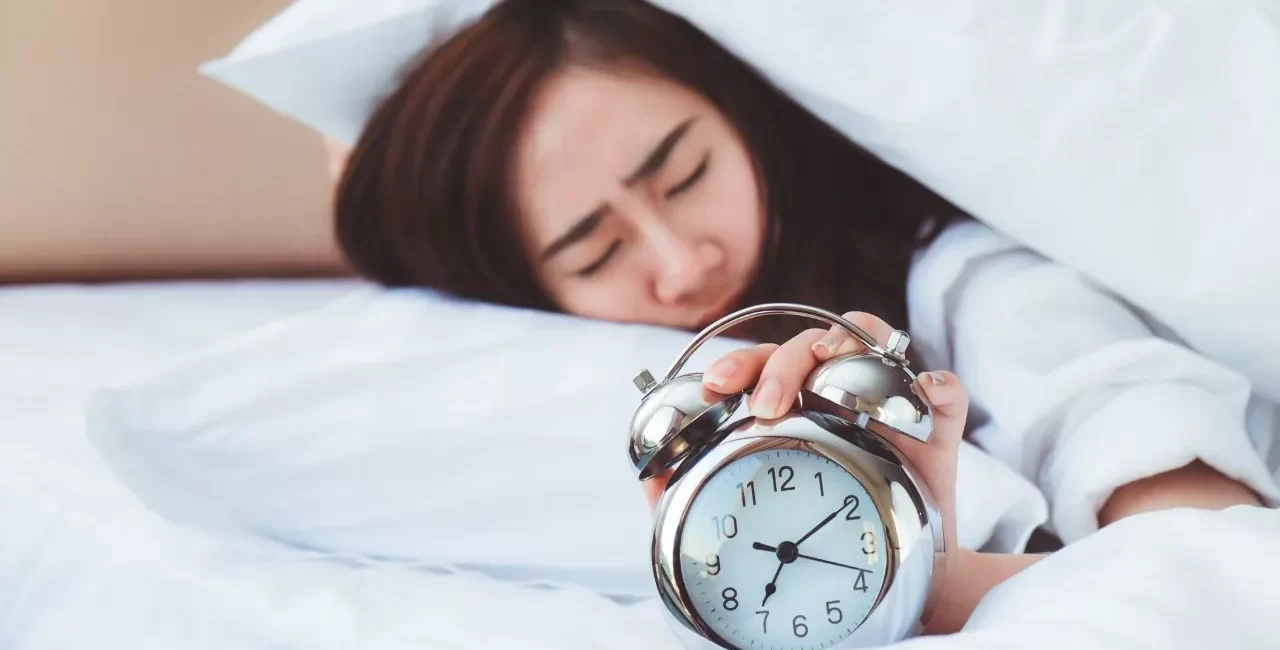
Yes — sleep deprivation can cause headaches, and the science behind it is both fascinating and concerning. Lack of sleep disrupts brain chemistry, alters pain perception, and can trigger a variety of headache types, from mild tension headaches to severe migraines.
In today’s fast-paced world, chronic sleep loss is becoming alarmingly common, making it essential to understand how poor sleep can literally give you a headache and what you can do about it.
Contents
- 1 Introduction to Sleep Deprivation and Its Impact
- 2 Understanding the Link Between Sleep and Headaches
- 3 Types of Headaches Triggered by Lack of Sleep
- 4 Why Sleep Deprivation Causes Headaches
- 5 Other Symptoms That Accompany Sleep-Deprivation Headaches
- 6 Risk Factors That Increase Susceptibility
- 7 How Much Sleep Is Needed to Prevent Headaches?
- 8 Diagnosis: When to See a Doctor
- 9 Tips to Prevent Sleep-Deprivation Headaches
- 10 Natural and Medical Treatments for Relief
- 11 Long-Term Effects of Chronic Sleep Deprivation
- 12 FAQs on Sleep Deprivation and Headaches
- 13 Conclusion
Introduction to Sleep Deprivation and Its Impact
Sleep deprivation occurs when you consistently fail to get the recommended hours of rest. Whether it’s due to late-night work, binge-watching TV, or insomnia, the effects go far beyond feeling tired. One of the most overlooked consequences is the onset of headaches.
Research shows that up to 50% of migraine sufferers also have disrupted sleep patterns, indicating a strong correlation.
Understanding the Link Between Sleep and Headaches
How Sleep Affects Brain Function and Pain Perception
Your brain uses sleep to repair neurons, regulate hormones, and restore balance to your nervous system. Without enough rest, pain-processing pathways become more sensitive, making even small stressors trigger a headache.
The Role of Neurotransmitters in Sleep and Headache Regulation
Neurotransmitters like serotonin and dopamine influence both sleep cycles and pain thresholds. When you’re sleep-deprived, these chemical messengers become imbalanced, increasing the likelihood of head pain.
Types of Headaches Triggered by Lack of Sleep
Tension Headaches
Characterized by a dull, constant pressure around the head, often linked to muscle tension and stress caused by poor sleep.
Migraines
Sleep deprivation can both trigger and intensify migraines. These headaches often come with nausea, sensitivity to light, and sometimes visual disturbances.
Cluster Headaches
Although rare, these are severe, stabbing headaches that may be linked to disruptions in the body’s circadian rhythm.
Also Read: Why Insomnia Isn’t Just a Sleep Problem – It’s a Life Problem
Why Sleep Deprivation Causes Headaches
Disruption of Pain-Processing Pathways
Poor sleep increases brain hyperactivity, amplifying pain signals.
Hormonal Imbalance and Cortisol Levels
High cortisol (the stress hormone) from lack of sleep can constrict blood vessels and trigger headaches.
Reduced Blood Flow to the Brain
Sleep deprivation alters vascular regulation, sometimes reducing oxygen delivery to brain tissues.
Other Symptoms That Accompany Sleep-Deprivation Headaches
- Dizziness and Light Sensitivity
- Poor Concentration and Memory Issues
- Mood Swings and Irritability
Risk Factors That Increase Susceptibility
- Stress and Mental Health Disorders
- Caffeine Overuse and Withdrawal
- Irregular Sleep Schedules
How Much Sleep Is Needed to Prevent Headaches?
| Age Group | Recommended Sleep |
|---|---|
| Adults | 7–9 hours |
| Teens | 8–10 hours |
| Children | 9–12 hours |
Diagnosis: When to See a Doctor
If headaches are persistent, severe, or come with other symptoms like vision loss or weakness, consult a healthcare provider. Sleep disorders such as sleep apnea may need medical intervention.
Tips to Prevent Sleep-Deprivation Headaches
- Maintain a consistent sleep schedule.
- Avoid screens at least 1 hour before bed.
- Keep your bedroom cool, dark, and quiet.
- Limit caffeine and alcohol before bedtime.
Natural and Medical Treatments for Relief
- Home Remedies: Hydration, relaxation techniques, warm compresses.
- Medications: Ibuprofen, acetaminophen, or prescription migraine drugs.
- Alternative Therapies: Acupuncture, massage, melatonin supplements.
Long-Term Effects of Chronic Sleep Deprivation
If left unaddressed, chronic sleep loss can:
- Worsen mental health disorders
- Increase risk of stroke and dementia
- Lower immune function
FAQs on Sleep Deprivation and Headaches
Yes, even a single night of poor rest can trigger headaches in sensitive individuals.
Yes, sleep apnea is a common cause of early morning headaches.
Yes, both too little and too much sleep can disrupt brain chemistry and cause headaches.
Short naps can help, but they shouldn’t replace a full night’s rest.
Absolutely — dehydration and sleep loss can have a compounding effect
Conclusion
So, can sleep deprivation cause headaches? Absolutely — and the science backs it up. The good news is that by improving your sleep hygiene, managing stress, and seeking medical help when needed, you can significantly reduce your risk. A good night’s rest isn’t just about feeling refreshed — it’s about protecting your brain health.
Also Read: Why Does Zopiclone Cause a Bitter Taste and Dry Mouth in Some Users?