
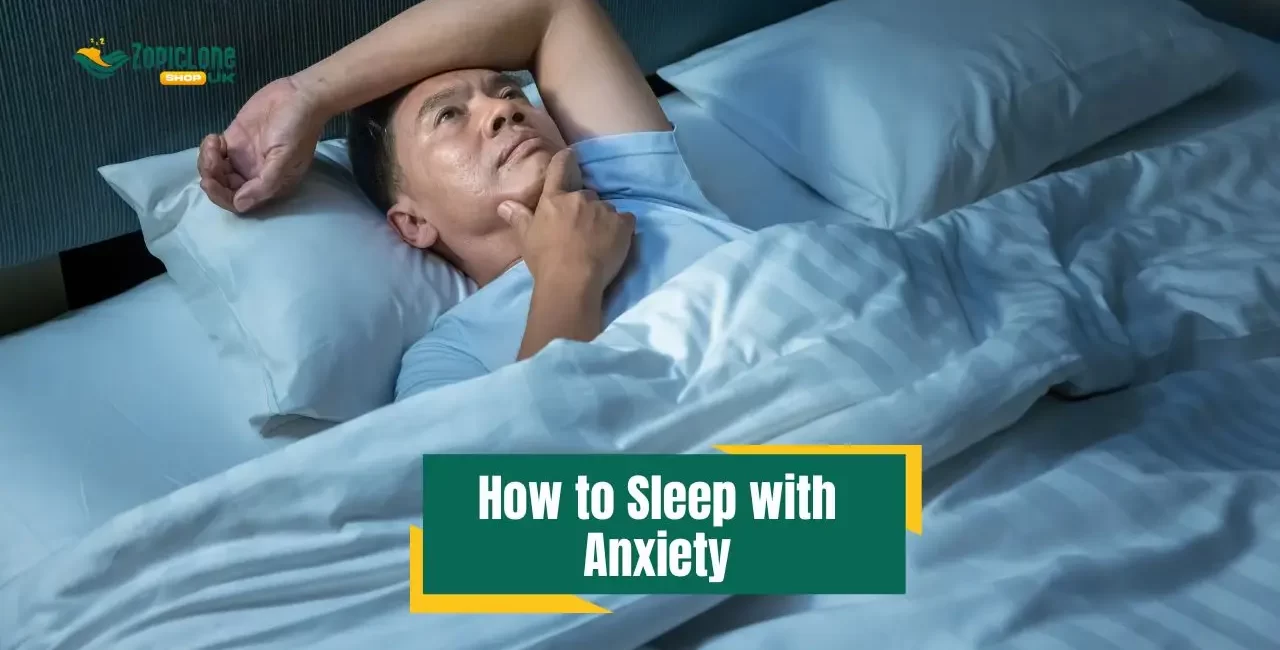
If you lie awake at night with your mind racing and your heart pounding, you’re not alone. Anxiety affects millions of people — and for many, it becomes most intense when the world quiets down at night. Whether you’re worried about tomorrow’s tasks or overwhelmed by lingering thoughts, anxiety can make it incredibly difficult to fall — or stay — asleep.
Learning how to sleep with anxiety isn’t about forcing rest; it’s about creating the right environment, habits, and mindset to support it. In this guide, we’ll explore 10 evidence-backed strategies to calm your mind, ease your body, and finally get the deep, restorative sleep you deserve.
Anxiety and sleep have a complicated relationship. When you’re anxious, your body’s natural stress response is triggered — releasing adrenaline and cortisol, hormones meant to prepare you for danger. While this is useful in a real emergency, it’s not helpful when you’re lying in bed trying to fall asleep.
Anxiety can keep your mind stuck in overdrive. You may find yourself rethinking conversations, worrying about the next day, or even fixating on the fact that you’re not sleeping — which creates even more stress. This mental loop is often what people refer to when they say, “anxiety is keeping me awake at night.”
Common symptoms of nighttime anxiety include:
- Racing thoughts
- Muscle tension or restlessness
- Increased heart rate
- Difficulty falling or staying asleep
- Nightmares or waking up suddenly
Sleep disruption doesn’t just make you tired — it worsens your anxiety the next day, creating a vicious cycle. The good news? You can break this cycle by using strategies that calm your nervous system and prepare your brain for rest.
Aso Read: Zopiclone Maximum Dose in 24 Hours: Safe Usage, Risks, and Medical Guidelines
Contents
- 1 How to Fall Asleep with Anxiety: Quick Wins
- 2 Build a Calming Bedtime Routine for Anxiety
- 3 Natural Remedies for Sleep and Anxiety
- 4 Calming Techniques Before Sleep
- 5 Daily Habits That Improve Sleep and Reduce Anxiety
- 6 When to Seek Professional Help
- 7 Real-Life Sleep Anxiety Stories (Optional/Bonus Section)
- 8 Conclusion
How to Fall Asleep with Anxiety: Quick Wins
If anxiety is keeping you awake, sometimes the simplest techniques can bring the quickest relief. While long-term habits are important, these quick wins can help ease your body and mind into a more relaxed state — making it easier to fall asleep, even when you’re anxious.
🧘 1. Try the “4-7-8” Breathing Technique
This powerful breathing exercise helps activate your parasympathetic nervous system (your relaxation mode).
- Inhale for 4 seconds
- Hold your breath for 7 seconds
- Exhale slowly for 8 seconds
Repeat this cycle 4–5 times. You’ll notice your heart rate slowing and tension easing — ideal for calming nighttime anxiety.
🛏️ 2. Write Down Your Worries
Journaling is a great way to declutter your mind before bed. Spend 5–10 minutes writing down what’s bothering you — then write a solution or a plan. Offloading your thoughts onto paper tells your brain, “You don’t need to keep repeating this.”
🕯️ 3. Use Dim Lighting & Disconnect from Screens
Bright screens and endless scrolling stimulate your brain. Instead, try turning off devices at least 30 minutes before bed and use warm, dim lighting. This helps your body begin producing melatonin — the hormone that signals it’s time to sleep.
Build a Calming Bedtime Routine for Anxiety
Creating a soothing, consistent bedtime routine is one of the most effective ways to teach your body and mind when it’s time to unwind. When done regularly, a nighttime ritual signals safety and relaxation — the opposite of the fight-or-flight state caused by anxiety.
Here’s how to build a routine that supports restful sleep:
🛁 1. Take a Warm Shower or Bath
Warm water relaxes your muscles and helps lower your core body temperature afterward, making it easier to fall asleep. Adding calming scents like lavender or chamomile can further reduce tension.
📵 2. Limit Stimulation
Keep your environment quiet and peaceful. Avoid heavy conversations, news, and social media right before bed. Consider soft instrumental music, ambient noise, or white noise if silence makes you more anxious.
📚 3. Read or Listen to Something Calming
Opt for fiction or non-stimulating audiobooks. Avoid thrillers or work-related content. The goal is to gently distract your brain from anxious thoughts.
🕯️ 4. Repeat the Same Steps Each Night
Consistency is key. Doing the same things in the same order helps “train” your mind to associate those activities with sleep, gradually reducing anxiety over time.
When built mindfully, your bedtime routine becomes a tool — not a chore. It helps reduce the mental load, lowers stress hormones, and creates a safe space for your nervous system to relax.
Natural Remedies for Sleep and Anxiety
Before turning to prescriptions, many people find relief from natural remedies that promote relaxation and better sleep — often with fewer side effects. While not a cure-all, these options can support your sleep hygiene and reduce mild anxiety symptoms.
🍵 1. Herbal Teas
- Chamomile: Calming and widely used for sleep.
- Valerian Root: Has mild sedative effects (check for interactions with medications).
- Ashwagandha: An adaptogen that helps reduce stress and cortisol levels.
💊 2. Natural Supplements
- Magnesium: Helps relax muscles and calm the nervous system.
- Melatonin: Best used short-term to reset the sleep-wake cycle.
- L-Theanine: Found in green tea; promotes relaxation without drowsiness.
⚠️ Always consult a healthcare provider before starting supplements, especially if you’re taking other medications or have health conditions.
🌿 3. Aromatherapy
Scents like lavender, bergamot, and frankincense can soothe the mind. Try a diffuser, pillow mist, or a few drops of essential oil on your temples before sleep.
Calming Techniques Before Sleep
Nighttime anxiety thrives in silence and stillness — which is why calming mental exercises can be incredibly effective.
🧘 Guided Meditation
Apps like Calm, Insight Timer, or Headspace – Sleep Meditations offer sleep-specific meditations to slow down your racing thoughts.
🎧 Sleep Sounds or Music
- White noise
- Nature sounds (rain, ocean waves)
- Low-frequency binaural beats
These reduce mental clutter and create a relaxing audio background for your brain.
🖼️ Visualization
Imagine a calm, safe place — like a beach or quiet forest. Picture the sounds, smells, and sensations. This helps redirect your focus from anxious thoughts to peaceful imagery.
Daily Habits That Improve Sleep and Reduce Anxiety
Sleep isn’t just about what happens at night. Your daily lifestyle has a massive impact on your ability to sleep well with anxiety.
🕒 Stick to a Consistent Sleep Schedule
Try to wake and sleep at the same times daily — even on weekends. This strengthens your circadian rhythm and reduces bedtime anxiety.
🏃 Stay Physically Active
Exercise helps burn off excess energy and lowers stress hormones. Aim for 20–30 minutes most days, but avoid intense workouts too close to bedtime.
☕ Watch Your Intake
Limit caffeine after 2 PM and avoid alcohol before bed. Both can interfere with your ability to fall or stay asleep.
When to Seek Professional Help
If anxiety continues to disrupt your sleep despite trying multiple techniques, it may be time to talk to a professional.
👩⚕️ When to Reach Out
- You’re experiencing panic attacks at night
- Sleep issues are affecting your work, health, or relationships
- You rely heavily on sleep aids to fall asleep
🧠 Available Treatments
- CBT-I (Cognitive Behavioral Therapy for Insomnia): Gold standard for treating sleep anxiety.
- Anxiety therapy (CBT, ACT, EMDR): Helps address underlying causes.
- Sleep specialists can rule out issues like sleep apnea or restless leg syndrome.
Real-Life Sleep Anxiety Stories (Optional/Bonus Section)
Emma, 34: “Journaling and the 4-7-8 breathing technique saved my nights. I still get anxious sometimes, but I don’t dread bedtime anymore.”
Karan, 29: “Cutting caffeine and using white noise made a huge difference. I also do a short body scan meditation each night.”
Real stories can be comforting. They show you’re not alone — and that there’s no one-size-fits-all solution. Explore, experiment, and find what works for you.
Conclusion
Sleep and anxiety can feel like opposing forces — but with the right tools and habits, they don’t have to be. You’ve now learned how to sleep with anxiety using proven techniques: breathing, routines, natural remedies, calming exercises, and lifestyle shifts.
You don’t need to try everything at once. Start with one or two changes tonight, and build from there. Over time, your body will respond, and sleep will come more naturally.
💬 Try one of these tips tonight and let us know what helped!
Also Read: Why Do I Wake Up at 3AM Every Night? Causes & What You Can Do About It