
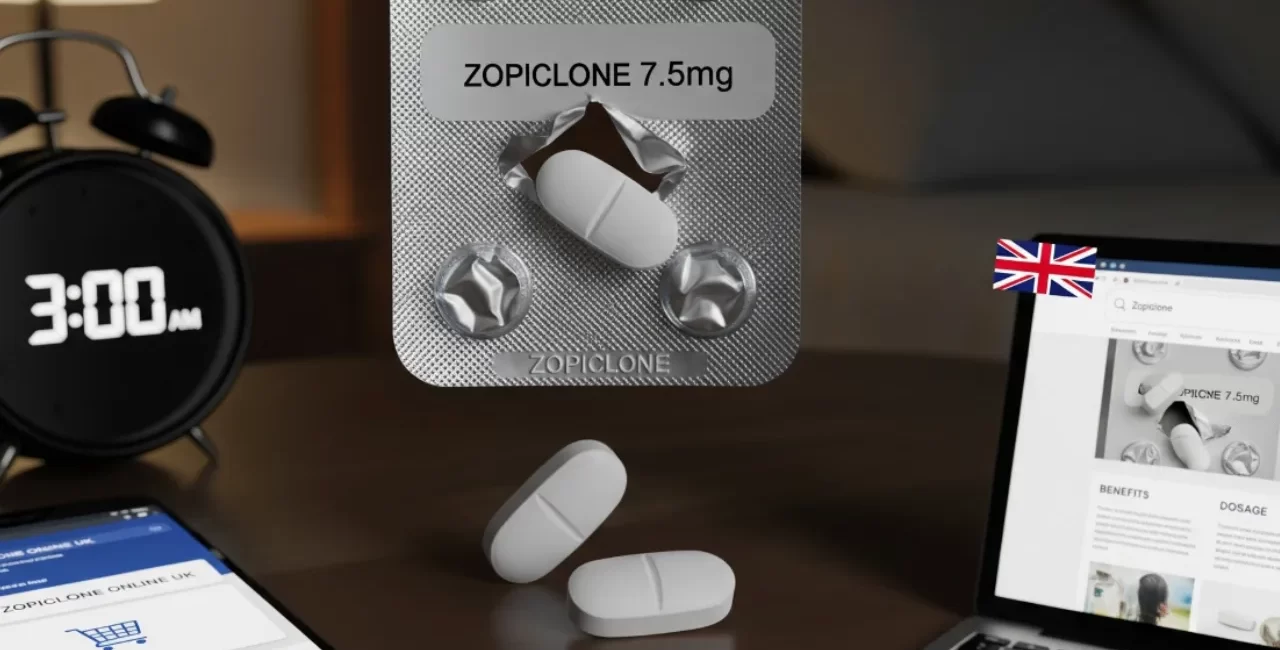
Insomnia, a common sleep disorder, can severely impact an individual’s quality of life, leading to fatigue, irritability, and decreased cognitive function. For many struggling with persistent sleep difficulties, medications like zopiclone offer a potential solution. Understanding how zopiclone works for insomnia is crucial for patients and healthcare providers alike, as it involves a delicate balance of therapeutic benefits and potential risks.
This comprehensive guide will delve into the mechanism of action of zopiclone, explore its effectiveness in treating insomnia, highlight its benefits, and thoroughly discuss the associated risks and side effects. By the end, you’ll have a clearer picture of whether zopiclone is a suitable option for managing your sleep challenges.
Contents
What is Zopiclone?
Zopiclone is a non-benzodiazepine hypnotic agent, often referred to as a ‘Z-drug’. It is prescribed primarily for the short-term treatment of severe insomnia. Unlike older benzodiazepine sedatives, zopiclone has a distinct chemical structure, yet it produces similar pharmacological effects by acting on the same neurochemical pathways in the brain. It is designed to help individuals fall asleep faster and maintain sleep throughout the night, thereby improving overall sleep architecture.
How Zopiclone Works for Insomnia: The Mechanism of Action
The efficacy of zopiclone for insomnia stems from its interaction with the brain’s gamma-aminobutyric acid (GABA) system. GABA is the primary inhibitory neurotransmitter in the central nervous system, meaning it reduces neuronal excitability. When GABA binds to its receptors, it opens chloride ion channels, leading to hyperpolarization of the neuron and making it less likely to fire.
Targeting GABA-A Receptors
Zopiclone acts as an agonist at the benzodiazepine site of the GABA-A receptor complex. Specifically, it has a high affinity for the alpha-1 subunit of these receptors. By binding to this site, zopiclone enhances the effects of GABA. This enhancement leads to an increased influx of chloride ions into the neuron, which hyperpolarizes the cell membrane. The result is a dampening of neural activity, particularly in regions of the brain responsible for wakefulness and arousal.
This increased inhibitory effect translates into several physiological changes that promote sleep:
- Sedation: Zopiclone induces a state of calm and drowsiness, making it easier to fall asleep.
- Anxiolysis (reduced anxiety): While not its primary indication, the enhanced GABAergic activity can also have a mild anxiolytic effect, which can be beneficial for those whose insomnia is linked to anxiety.
- Muscle Relaxation: Although less pronounced than with some benzodiazepines, some muscle relaxation can occur.
- Anticonvulsant Effects: Like other GABAergic drugs, zopiclone can have anticonvulsant properties, though it is not used as a primary anticonvulsant.
The selective action on GABA-A receptors, particularly those containing the alpha-1 subunit, is thought to contribute to zopiclone’s sleep-inducing effects with potentially fewer side effects related to muscle relaxation and anxiolysis compared to non-selective benzodiazepines. This targeted mechanism helps explain how zopiclone works for insomnia by effectively slowing down brain activity to facilitate the onset and maintenance of sleep.
Benefits of Zopiclone for Insomnia
When used appropriately, zopiclone can offer significant benefits for individuals suffering from severe insomnia:
1. Rapid Onset of Sleep
One of the primary advantages of zopiclone is its quick onset of action. It is rapidly absorbed, typically leading to sleep within 30 to 60 minutes after administration. This makes it particularly effective for those who struggle specifically with falling asleep.
2. Improved Sleep Duration and Quality
Zopiclone not only helps individuals fall asleep faster but also contributes to maintaining sleep throughout the night. Studies have shown that it can increase total sleep time and reduce the number of awakenings, leading to a more restorative sleep experience. Patients often report feeling more rested and alert the next day.
3. Short Half-Life
Compared to some older hypnotics, zopiclone has a relatively short half-life (around 5-6 hours). This means it is cleared from the body more quickly, reducing the likelihood of residual drowsiness or ‘hangover’ effects the following morning, which is a common complaint with longer-acting sleep medications.
4. Effective for Acute and Chronic Insomnia (Short-Term Use)
While generally recommended for short-term use, zopiclone can be highly effective in breaking the cycle of acute insomnia. For chronic insomnia, it can provide temporary relief, allowing individuals to implement other long-term strategies like cognitive behavioral therapy for insomnia (CBT-I).
Also Read: Is Zopiclone a Strong Sleeping Pill? In-Depth Guide for UK Users (2025)
Risks and Side Effects of Zopiclone
Despite its benefits, zopiclone for insomnia is not without risks. It’s crucial to be aware of the potential side effects and long-term consequences:
1. Common Side Effects
Some of the most frequently reported side effects include:
- Bitter or metallic taste: This is a very common and distinctive side effect.
- Drowsiness: Next-day drowsiness, especially if insufficient sleep is obtained after taking the dose.
- Dizziness and lightheadedness: Can impair coordination and increase the risk of falls.
- Headache: A common general complaint.
- Dry mouth: Another frequent mild side effect.
2. Paradoxical Reactions
In some individuals, zopiclone can cause paradoxical effects such as increased agitation, anxiety, nightmares, hallucinations, or even aggression. These reactions are rare but require immediate medical attention.
3. Anterograde Amnesia
There is a risk of anterograde amnesia, meaning individuals may not remember events that occur after taking the medication, especially if they do not go to sleep immediately or wake up during the night. This highlights the importance of taking zopiclone only when one can commit to a full night’s sleep (7-8 hours).
4. Sleep-Related Behaviors
Perhaps one of the most concerning risks is the potential for complex sleep-related behaviors, such as sleepwalking, sleep-driving, making phone calls, or preparing and eating food, with no memory of these events upon waking. These behaviors can be dangerous and are more likely to occur if zopiclone is taken with alcohol or other central nervous system depressants.
5. Dependence and Withdrawal
Like benzodiazepines, zopiclone carries a risk of physical and psychological dependence, particularly with prolonged use or at higher doses. Abrupt discontinuation after extended use can lead to withdrawal symptoms, which may include:
- Rebound insomnia (insomnia that is worse than before treatment).
- Anxiety, panic attacks, and irritability.
- Tremors and muscle cramps.
- Sweating.
- Rarely, seizures or psychosis.
To minimize withdrawal symptoms, zopiclone should be tapered off gradually under medical supervision.
6. Impaired Driving and Operating Machinery
Due to its sedative effects, zopiclone can impair cognitive and motor skills. Individuals should not drive or operate heavy machinery after taking zopiclone, and should be cautious about activities requiring alertness the next day, especially when first starting treatment or adjusting dosage.
7. Interactions with Other Substances
Alcohol and other central nervous system depressants (e.g., opioids, antidepressants, antihistamines) can significantly intensify the sedative effects of zopiclone, increasing the risk of respiratory depression, profound sedation, and dangerous sleep-related behaviors. It is crucial to avoid alcohol and inform your doctor about all other medications you are taking.
Also Read: Can Insomnia Cause High Blood Pressure? Exploring the Link
Dosage and Administration
Zopiclone is typically prescribed at the lowest effective dose for the shortest possible duration, usually no more than 2-4 weeks. The standard adult dose is often 7.5 mg, taken immediately before going to bed. For elderly patients or those with liver or kidney impairment, a lower starting dose (e.g., 3.75 mg) may be recommended to reduce the risk of excessive sedation and other side effects.
It is important to:
- Take zopiclone exactly as prescribed by your doctor.
- Swallow the tablet whole with water.
- Only take it when you are able to get a full night’s sleep (7-8 hours).
- Never double a dose or take more than prescribed.
- Avoid combining it with alcohol or other sedatives unless explicitly approved by a doctor.
Precautions and Contraindications
Zopiclone may not be suitable for everyone. It is generally contraindicated or should be used with extreme caution in individuals with:
- Severe respiratory insufficiency (e.g., sleep apnea, COPD).
- Severe hepatic impairment.
- Myasthenia gravis (a neuromuscular disorder).
- Psychiatric disorders, especially depression (can worsen symptoms or increase suicidal ideation).
- A history of substance abuse.
- Pregnancy and breastfeeding (safety is not established).
Alternatives to Zopiclone
While zopiclone can be an effective short-term solution, it’s often not the first-line treatment for chronic insomnia. Non-pharmacological approaches are frequently recommended:
- Cognitive Behavioral Therapy for Insomnia (CBT-I): Considered the gold standard for chronic insomnia, CBT-I addresses the thoughts and behaviors that contribute to sleep problems.
- Sleep Hygiene Practices: Establishing a regular sleep schedule, creating a comfortable sleep environment, avoiding caffeine and alcohol before bed, and regular exercise.
- Melatonin Supplements: Can be helpful for some individuals, particularly those with circadian rhythm disorders.
- Herbal Remedies: Valerian root, chamomile, and lavender are sometimes used, though evidence for their efficacy varies.
Conclusion
Understanding how zopiclone works for insomnia is key to utilizing this medication safely and effectively. By enhancing the inhibitory effects of GABA in the brain, zopiclone can quickly induce sleep and improve sleep quality for those struggling with severe insomnia. Its benefits, such as rapid onset and short half-life, make it an attractive option for short-term relief.
However, the significant risks, including dependence, withdrawal, and the potential for dangerous sleep-related behaviors, underscore the importance of strict adherence to medical guidance. Zopiclone should always be used under the supervision of a healthcare professional, for the shortest possible duration, and as part of a comprehensive strategy to manage insomnia, often alongside non-pharmacological therapies. If you are experiencing sleep difficulties, consult your doctor to determine the most appropriate and safest course of treatment for you.
Also Read: Can Zopiclone Help with Anxiety-Related Sleep Problems?