
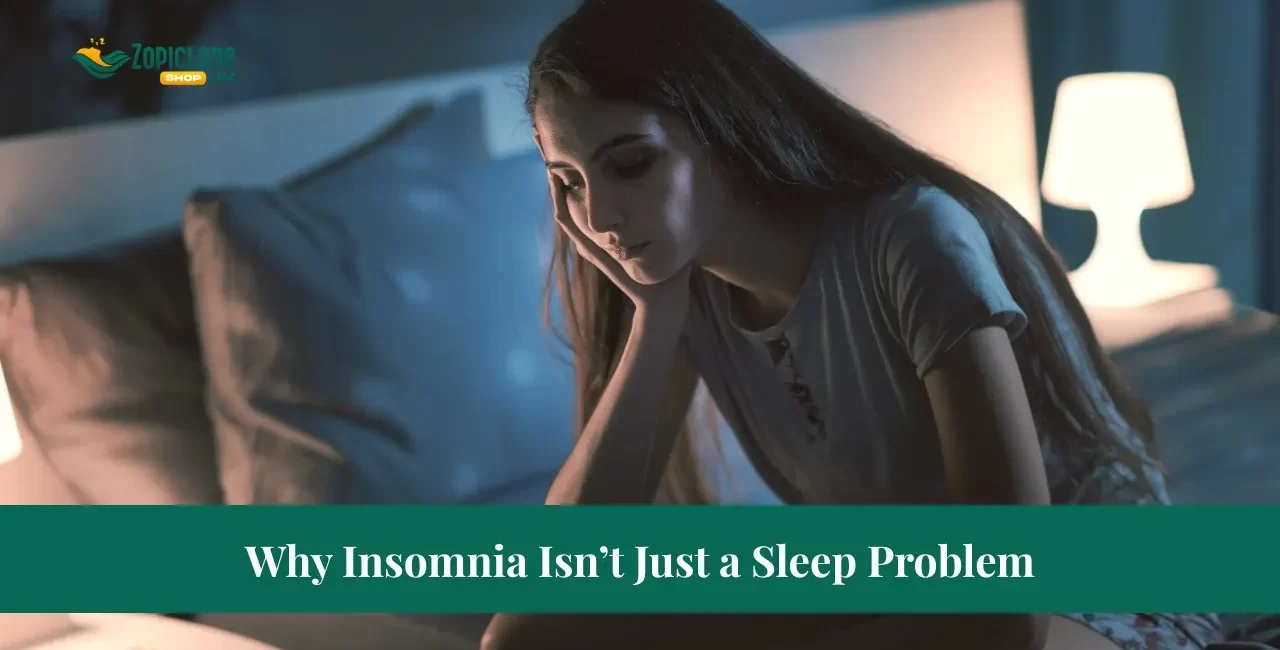
Sleep is more than just rest—it’s a biological necessity. But for millions of people, getting consistent, quality sleep is a nightly struggle. Insomnia isn’t merely an inconvenience or a fleeting issue. It’s a deeply rooted health condition with serious consequences. While it begins with restless nights, the ripple effect of insomnia reaches far into daily life, mental well-being, physical health, and long-term functioning.
In this article, we dive into the effects of insomnia, how it shapes your daily experiences, and why it demands more attention than it typically gets.
Contents
- 1 What Is Insomnia?
- 2 How Insomnia Affects Your Life
- 3 The Effects of Insomnia on Mental Healt
- 4 Insomnia and Daily Life: A Silent Saboteur
- 5 Sleep Deprivation Consequences on Physical Health
- 6 Long-Term Effects of Insomnia: The Hidden Dangers
- 7 How to Break the Cycle of Insomnia
- 8 Conclusion: It’s Time to Take Insomnia Seriously
What Is Insomnia?
Insomnia is a sleep disorder characterized by persistent difficulties falling asleep, staying asleep, or waking up too early and being unable to return to sleep. While occasional sleep disturbances are common, chronic insomnia is diagnosed when the issue lasts at least three nights a week for three months or more.
There are two primary types:
- Acute Insomnia: Often linked to stress or sudden life changes.
- Chronic Insomnia: Ongoing sleep issues that may result from psychological, neurological, or medical conditions.
How Insomnia Affects Your Life
Let’s address the most overlooked aspect: how insomnia affects your life daily. It’s not just about being tired—it’s about how that tiredness influences your ability to function, interact, and live.
1. Cognitive Performance Declines
One of the most immediate signs of insomnia is a decline in cognitive abilities. Concentration drops, memory becomes unreliable, and decision-making gets slower and more error-prone. You may find it difficult to focus on conversations, retain information, or perform simple tasks efficiently.
2. Workplace Productivity Takes a Hit
With impaired concentration and energy, productivity suffers. Chronic sleep-deprived individuals are more prone to errors, accidents, and poor performance, leading to reduced job satisfaction and even job loss in severe cases.
3. Strained Relationships
Insomnia makes people irritable, impatient, and emotionally reactive. This can negatively affect relationships with family, friends, and colleagues. Simple interactions may feel overwhelming, and empathy may diminish due to emotional exhaustion.
4. Increased Risk of Accidents
Drowsiness reduces alertness and slows reaction time. Studies show that sleep-deprived drivers are as impaired as those under the influence of alcohol. Insomnia increases the risk of road accidents, falls, and workplace injuries.
The Effects of Insomnia on Mental Healt
One of the most serious consequences of insomnia is its impact on mental health. Sleep is essential for emotional regulation and psychological resilience.
1. Depression and Anxiety
Chronic insomnia is strongly linked to depression and anxiety disorders. In fact, insomnia is often one of the first symptoms of both. Lack of sleep alters neurotransmitter levels, making the brain more vulnerable to mood disorders.
2. Increased Stress and Burnout
Even if you’re not clinically depressed, insomnia elevates stress hormones like cortisol, which leads to a constant “fight or flight” response. Over time, this contributes to emotional burnout and a sense of helplessness.
3. Social Withdrawal
Insomnia can reduce motivation and interest in social interactions. This withdrawal often reinforces negative thought patterns and increases feelings of isolation and loneliness.
Insomnia and Daily Life: A Silent Saboteur
People often underestimate the ways insomnia and daily life intersect. Here are some real-world examples of what this looks like:
- Struggling to get out of bed even after 8 hours in bed
- Skipping meals due to lack of appetite or energy
- Avoiding important tasks because of fatigue
- Having little to no patience for minor frustrations
- Constantly checking the clock at night and feeling hopeless
Daily routines lose structure. Self-care declines. Small stressors feel like mountains. And slowly, insomnia rewires the way you experience life.
Also Read: Is Zopiclone a Strong Sleeping Pill?
Sleep Deprivation Consequences on Physical Health
The consequences of sleep deprivation go far beyond tired eyes. Insomnia is now recognized as a major risk factor for a wide range of chronic diseases.
1. Cardiovascular Disease
Insomnia increases the risk of high blood pressure, stroke, and heart attacks. This is due to increased inflammation and stress on the heart from poor sleep.
2. Weakened Immune System
Sleep is critical for immune function. Insomniacs are more likely to get sick and take longer to recover from illnesses.
3. Weight Gain and Metabolic Disorders
Lack of sleep disrupts hunger hormones (ghrelin and leptin), leading to overeating and poor food choices. This contributes to obesity, diabetes, and metabolic syndrome.
4. Hormonal Imbalances
Insomnia affects everything from reproductive hormones to stress hormones. Women may experience irregular periods or worsened PMS, while men may see reductions in testosterone.
Long-Term Effects of Insomnia: The Hidden Dangers
When left untreated, chronic insomnia can lead to serious long-term effects that can alter the trajectory of your life.
1. Neurodegenerative Diseases
Research shows that prolonged sleep deprivation may be linked to Alzheimer’s disease and other neurodegenerative conditions. The brain uses sleep to clear out toxins, including beta-amyloid plaques.
2. Shortened Life Expectancy
Studies have shown that people with chronic insomnia are at a higher risk of premature death due to its association with chronic diseases, accidents, and mental health disorders.
3. Dependency on Sedatives
Many people self-medicate with alcohol, over-the-counter drugs, or prescription sleep aids, which can lead to dependency and worsen sleep architecture over time.
How to Break the Cycle of Insomnia
Understanding the problem is just the first step. Here are ways to begin reversing the damage:
✅ Cognitive Behavioral Therapy for Insomnia (CBT-I)
CBT-I is the gold standard treatment. It helps you change negative sleep patterns and thoughts around sleep.
✅ Sleep Hygiene Practices
- Stick to a sleep schedule
- Avoid screens and caffeine before bedtime
- Create a dark, cool, quiet sleeping environment
- Avoid naps and late meals
✅ Lifestyle Changes
- Regular exercise (preferably in the morning)
- Reducing alcohol and nicotine
- Journaling or meditation to reduce nighttime anxiety
Conclusion: It’s Time to Take Insomnia Seriously
If you’ve been brushing off poor sleep as “just being tired,” it’s time to reconsider. Insomnia isn’t just a nighttime issue—it seeps into every part of your day, your health, and your future.
From mood swings and memory loss to heart disease and mental breakdowns, the long-term effects of insomnia are real, dangerous, and avoidable. Addressing insomnia early with healthy habits or professional help can restore not just your sleep, but your quality of life.
Also Read: Can Insomnia Cause High Blood Pressure? Understanding the Critical Link