
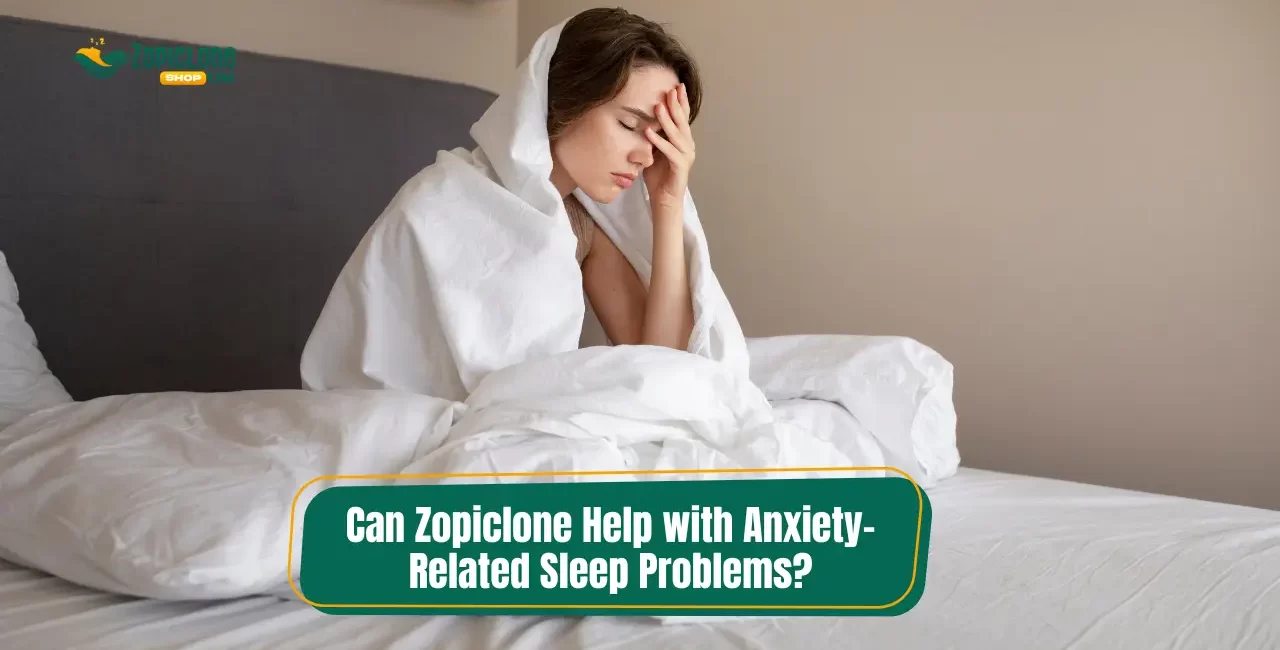
Anxiety and sleep are closely connected—when your mind is restless, it can be nearly impossible to fall asleep or stay asleep. Many people living with anxiety experience insomnia or disturbed sleep patterns, which further worsen stress levels and mental health. In such cases, doctors may prescribe medications like Zopiclone to restore sleep. But can Zopiclone really help with anxiety-related sleep problems? Let’s explore.
Contents
- 1 Understanding the Link Between Anxiety and Sleep
- 2 What is Zopiclone?
- 3 How Zopiclone Helps with Anxiety-Related Sleep Problems
- 4 Limitations of Zopiclone for Anxiety
- 5 Who May Benefit from Zopiclone?
- 6 Alternatives and Complementary Approaches
- 7 Safe Use of Zopiclone for Anxiety-Related Sleep
- 8 Key Takeaways
- 9 Final Thoughts
Understanding the Link Between Anxiety and Sleep
Anxiety is one of the most common causes of chronic insomnia. Racing thoughts, physical restlessness, and heightened stress responses can prevent the brain from transitioning into sleep mode. This creates a cycle:
- Anxiety makes it hard to sleep.
- Poor sleep increases anxiety.
- The cycle continues night after night.
Over time, this cycle leads to sleep deprivation, fatigue, irritability, and impaired cognitive function. Breaking it often requires both medical and behavioral interventions.
What is Zopiclone?
Zopiclone is a prescription-only hypnotic medication commonly used to treat short-term insomnia. It belongs to the group of “Z-drugs” that act on the brain’s GABA receptors, helping to slow down nervous system activity and induce sleep.
Unlike anxiety-specific medications such as SSRIs (selective serotonin reuptake inhibitors) or benzodiazepines, Zopiclone does not directly treat the root cause of anxiety. Instead, it helps improve sleep quality and duration, which can indirectly reduce anxiety symptoms by giving the body and mind time to recover.
How Zopiclone Helps with Anxiety-Related Sleep Problems
Although Zopiclone is not classified as an anti-anxiety medication, it can be beneficial for individuals struggling with anxiety-driven insomnia. Here’s how:
1. Reduces Sleep Onset Latency
Anxiety often delays sleep onset because of excessive worrying. Zopiclone helps you fall asleep faster, reducing the frustrating time spent tossing and turning.
2. Improves Sleep Continuity
Waking up multiple times during the night is common in people with anxiety. Zopiclone promotes longer, uninterrupted sleep, reducing nighttime awakenings.
3. Restores Deep Sleep
Anxiety often interferes with the deep stages of sleep. By enhancing GABA activity, Zopiclone encourages more restorative rest, which supports better emotional regulation.
4. Relieves Secondary Symptoms
Improved sleep quality can lead to better concentration, reduced irritability, and enhanced resilience to stress—helping ease some of the secondary effects of anxiety.
Limitations of Zopiclone for Anxiety
It’s important to note that Zopiclone is not a cure for anxiety. While it may temporarily improve sleep, it does not address the underlying psychological causes of anxiety. Some limitations include:
- Short-term use only: Doctors typically prescribe Zopiclone for 2–4 weeks.
- Risk of dependence: Long-term use can lead to tolerance and withdrawal symptoms.
- Side effects: Bitter taste, drowsiness, dizziness, and memory problems in some cases.
- No direct anti-anxiety action: Unlike anti-anxiety medications, Zopiclone mainly targets sleep disturbances.
Also Read: Zopiclone and Driving: Is It Safe the Next Morning?
Who May Benefit from Zopiclone?
Zopiclone may be prescribed for people who:
- Experience short-term insomnia triggered by anxiety or stress.
- Need immediate relief to restore sleep while beginning longer-term anxiety treatments (like CBT or SSRIs).
- Struggle with irregular sleep cycles due to acute stressful events.
However, it may not be suitable for:
- People with a history of substance misuse.
- Individuals with severe sleep apnea or breathing disorders.
- Pregnant or breastfeeding women.
- Those who require long-term anxiety treatment.
Alternatives and Complementary Approaches
If your insomnia is linked to anxiety, doctors may recommend combining Zopiclone with other treatments:
- Cognitive Behavioral Therapy (CBT-I) for insomnia.
- Anxiety management strategies such as meditation, journaling, and relaxation techniques.
- Lifestyle changes like reducing caffeine, maintaining a consistent sleep schedule, and limiting screen time.
- Long-term medications for anxiety (SSRIs, SNRIs, or other prescribed therapies).
Safe Use of Zopiclone for Anxiety-Related Sleep
If prescribed Zopiclone, follow these guidelines for safe use:
- Take only the recommended dose (usually 3.75 mg or 7.5 mg before bedtime).
- Avoid alcohol, as it can dangerously increase sedation.
- Do not drive or operate machinery the next day if you feel drowsy.
- Use for short periods only—not as a long-term sleep solution.
- Work with your doctor to address the root causes of anxiety alongside sleep support.
Key Takeaways
- Zopiclone can help with anxiety-related sleep problems, but it mainly treats the sleep disturbance, not anxiety itself.
- It improves sleep onset, duration, and depth, offering short-term relief.
- Long-term solutions should include therapy, lifestyle changes, and possible anti-anxiety medications.
- Responsible, short-term use under medical supervision can help break the cycle of anxiety and insomnia.
Final Thoughts
If you’re struggling with anxiety and poor sleep, Zopiclone may provide short-term relief by helping you sleep better. However, it should be viewed as a temporary aid, not a permanent solution. Long-term management of anxiety often requires therapy, lifestyle changes, and sometimes other medications. Always consult a healthcare professional before starting or stopping Zopiclone to ensure safe and effective use.