
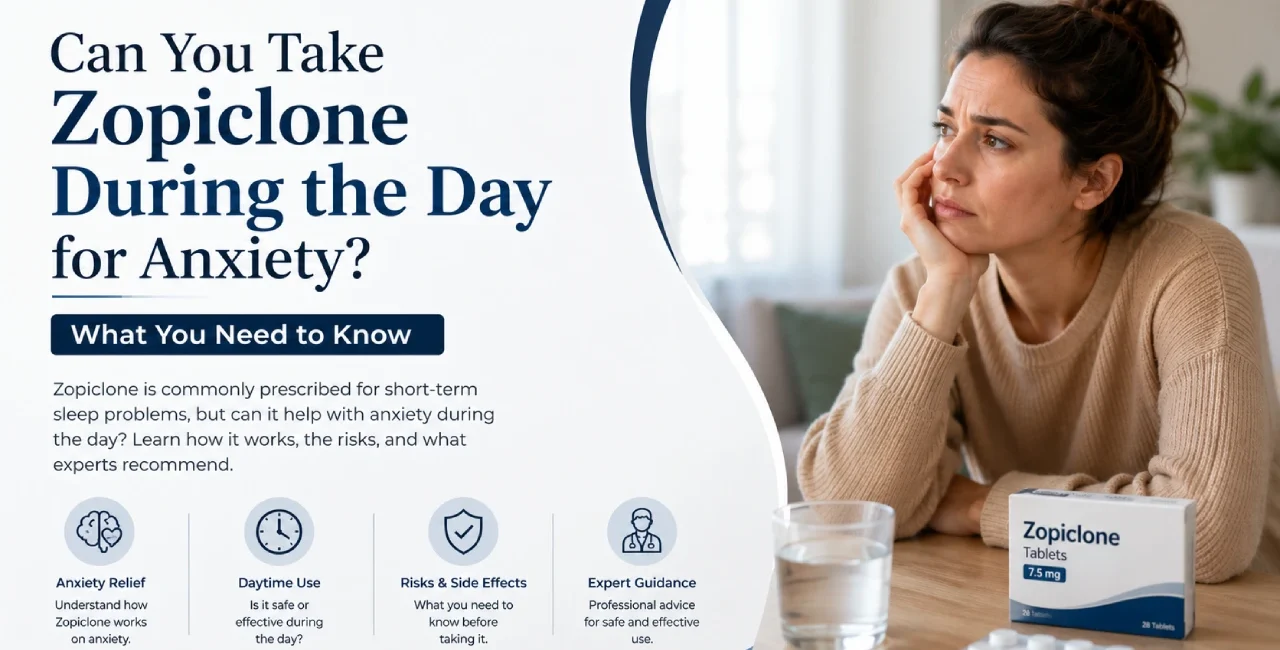
Can You Take Zopiclone During the Day for Anxiety? What You Need to Know
The Short Answer: No, It’s Not Recommended
If you’re struggling with anxiety and have a prescription for zopiclone, you might be tempted to take it during the day for quick relief. However, zopiclone is not licensed for daytime use or for treating anxiety. It is a prescription-only sleeping tablet designed specifically for short-term treatment of severe insomnia. Taking it during the day can lead to dangerous side effects, impaired functioning, and potential dependence.
What Is Zopiclone Actually Prescribed For?
Zopiclone belongs to a class of medications known as “Z-drugs” (along with zolpidem and zaleplon). It works by enhancing the effects of GABA (gamma-aminobutyric acid), a calming neurotransmitter in the brain that helps you fall asleep faster and stay asleep longer.
According to the NHS, zopiclone is only indicated for:
- Short-term treatment of severe insomnia
- When sleep problems significantly impact daily life
- Typically prescribed for no longer than 2 to 4 weeks to avoid tolerance and dependence
Why Taking Zopiclone During the Day Is Dangerous
1. Severe Daytime Drowsiness and Impairment
Zopiclone is designed to make you sleepy. Taking it during the day will cause significant drowsiness, reduced alertness, and slower reaction times. The NHS explicitly warns: “Do not drive, ride a bike or use machinery for 12 hours after taking zopiclone.” Even if you feel fully awake, your cognitive and motor functions may still be impaired.
2. It Doesn’t Treat the Root Cause of Anxiety
While zopiclone’s sedative effects might temporarily mask anxiety symptoms, it does not target anxiety directly. Unlike approved anxiety medications such as SSRIs (e.g., sertraline, fluoxetine) or benzodiazepines (e.g., diazepam, lorazepam), zopiclone has no specific anti-anxiety mechanism. It simply sedates you, which is not a sustainable or medically appropriate treatment for anxiety disorders.
3. Risk of Inter-Dose Withdrawal and Rebound Anxiety
Research published in NCBI notes that zopiclone’s relatively short half-life (4–6 hours) can actually cause daytime anxiety and restlessness during regular use—a phenomenon known as “inter-dose withdrawal.” This means taking zopiclone can paradoxically worsen anxiety symptoms between doses, creating a cycle of dependence rather than relief.
4. Serious Side Effects and Safety Risks
Taking zopiclone during the day increases the risk of:
- Memory problems (amnesia) – especially if you don’t get 7–8 hours of uninterrupted sleep
- Hallucinations and delusions
- Sleepwalking and complex behaviors – such as driving, eating, or making phone calls while not fully awake
- Depression and suicidal thoughts
- Respiratory depression – particularly dangerous if combined with other sedatives
5. High Risk of Dependence and Tolerance
Using zopiclone outside its prescribed parameters—especially during the day—increases the risk of developing physical and psychological dependence. Drugs.com warns that the risk of dependence increases with dose and duration, and is greater when used for more than 4 weeks or in patients with a history of mental health disorders.
What Happens If You Use Zopiclone for Anxiety?
Using zopiclone for anxiety would be considered “off-label” use—meaning it is not officially approved by regulatory agencies like the MHRA (UK) or FDA. While doctors can occasionally prescribe medications off-label, there is no clinical evidence supporting zopiclone as an effective or safe treatment for anxiety.
In fact, a 1990 clinical trial published in PubMed found that while zopiclone improved sleep in patients with generalized anxiety disorder, it was associated with daytime interdose anxiety—and this effect was actually less severe than with triazolam (a benzodiazepine), but still present. This confirms that zopiclone is not a solution for daytime anxiety.
Safer and More Effective Alternatives for Anxiety
If you’re experiencing anxiety, there are proven treatments that are far safer than using zopiclone during the day:
1. Cognitive Behavioral Therapy (CBT)
CBT is considered the gold standard for anxiety treatment. It helps you identify and change negative thought patterns and behaviors that fuel anxiety, providing long-term relief without medication side effects.
2. SSRIs and SNRIs
Medications like sertraline, fluoxetine, and venlafaxine are first-line treatments for generalized anxiety disorder, panic disorder, and social anxiety. They are safe for daytime use and specifically target anxiety symptoms.
3. Benzodiazepines (Short-Term Only)
For acute anxiety episodes, benzodiazepines like diazepam or lorazepam may be prescribed short-term. While they carry their own risks, they are at least licensed for anxiety and have more predictable dosing profiles than zopiclone for daytime use.
4. Beta-Blockers (e.g., Propranolol)
These can help manage physical symptoms of anxiety (rapid heartbeat, trembling) without causing sedation, making them suitable for daytime use.
5. Lifestyle Interventions
- Regular exercise
- Mindfulness and meditation
- Proper sleep hygiene
- Limiting caffeine and alcohol
- Breathing exercises (e.g., box breathing, 4-7-8 technique)
Can Zopiclone Interact With Anxiety Medications?
Yes—and this is another critical reason not to self-medicate. Zopiclone can interact dangerously with common anxiety treatments, including:
- Antidepressants (SSRIs, SNRIs, trazodone)
- Other sedatives or hypnotics
- Antipsychotics
- Opioids – combining these can cause severe drowsiness, breathing problems, coma, or death
Always inform your doctor of all medications you’re taking before starting zopiclone.
What to Do If You’re Struggling With Anxiety
If you have zopiclone and are considering taking it during the day for anxiety, stop and speak to your healthcare provider instead. Self-medicating with a sleep aid for anxiety is not only ineffective but potentially harmful. Your doctor can:
- Assess whether your anxiety is primary or secondary to sleep problems
- Prescribe appropriate anxiety medications
- Refer you to CBT or counseling services
- Address any underlying conditions contributing to your anxiety
Final Thoughts
Zopiclone is not a treatment for anxiety, and it should never be taken during the day. Its sedative effects may seem appealing when you’re feeling anxious, but the risks—daytime impairment, memory problems, dependence, and paradoxical anxiety—far outweigh any temporary relief. If anxiety is affecting your daily life, seek professional help for evidence-based treatments that are safe, effective, and designed specifically for anxiety management.
Disclaimer: This article is for informational purposes only and does not constitute medical advice. Always consult a qualified healthcare professional before making decisions about medication use.